OT governance and asset resilience
- Outcome
- Improve operational resilience, prioritise capital expenditure and balance technical risk against lifecycle value.
- Key standard
- ISO 55000 (Asset Management)
- Engagement
- Senior-led
Client challenge
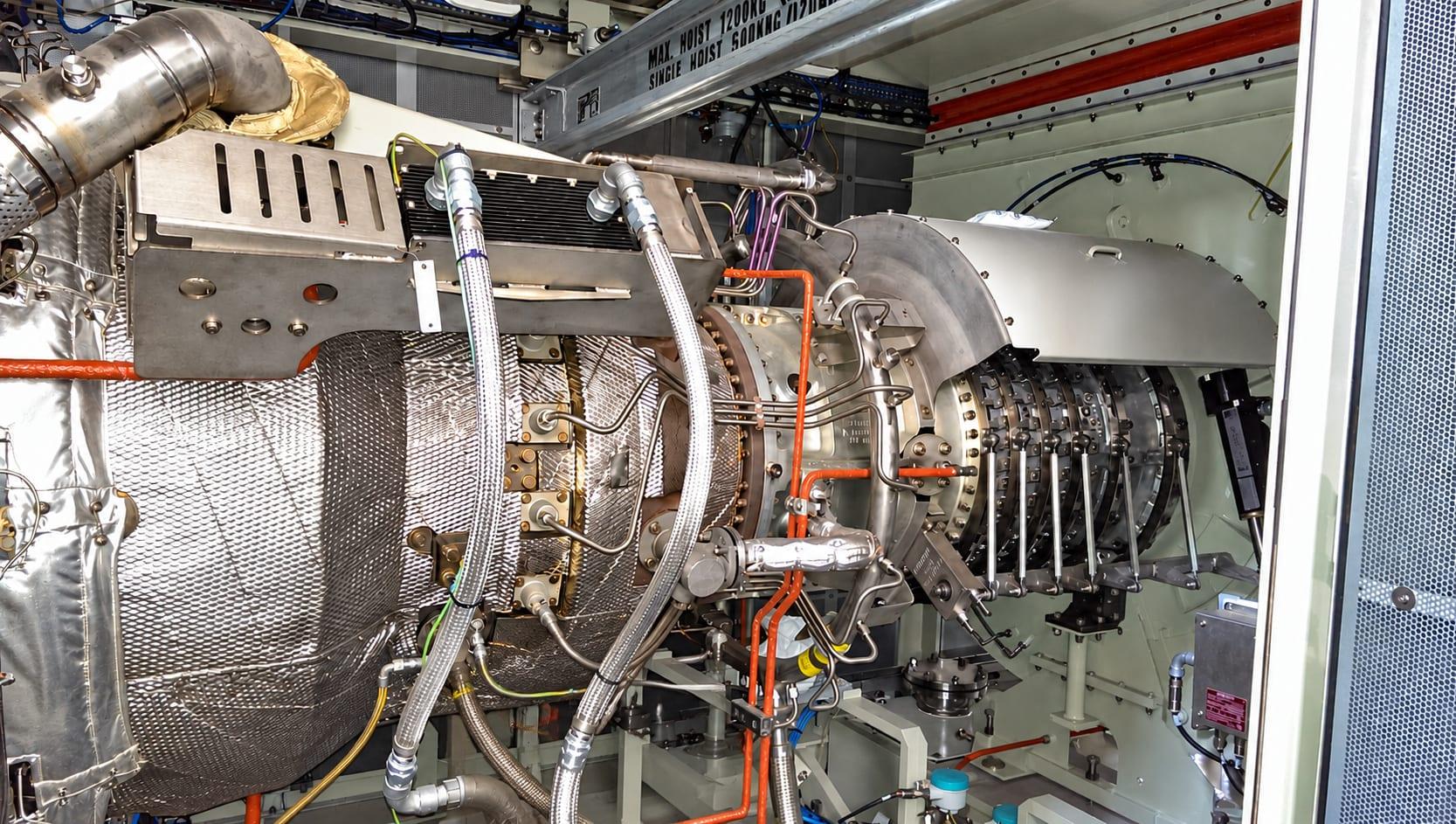
Obsolescence, unpredictable component failures and uncoordinated upgrades lead to frequent reactive work and rising CAPEX.
Why it matters operationally
High plant availability depends on systematic reliability evaluation. Engineering decisions need quantitative risk data and realistic asset lifecycle horizons.
DeepTsight capability
DeepTsight provides lifecycle governance, technical oversight and operational continuity for critical assets, with reliability modelling (RAMS) and field condition assessments so asset owners can make defensible replacement and maintenance choices.
Typical scope and outputs
| Scope | Outputs |
|---|---|
| Obsolescence & risk assessment |
|
| Lifecycle strategy & capex planning |
|
| Governance & sustained operations |
|
Delivery approach
Stage 01
Condition & spares audit
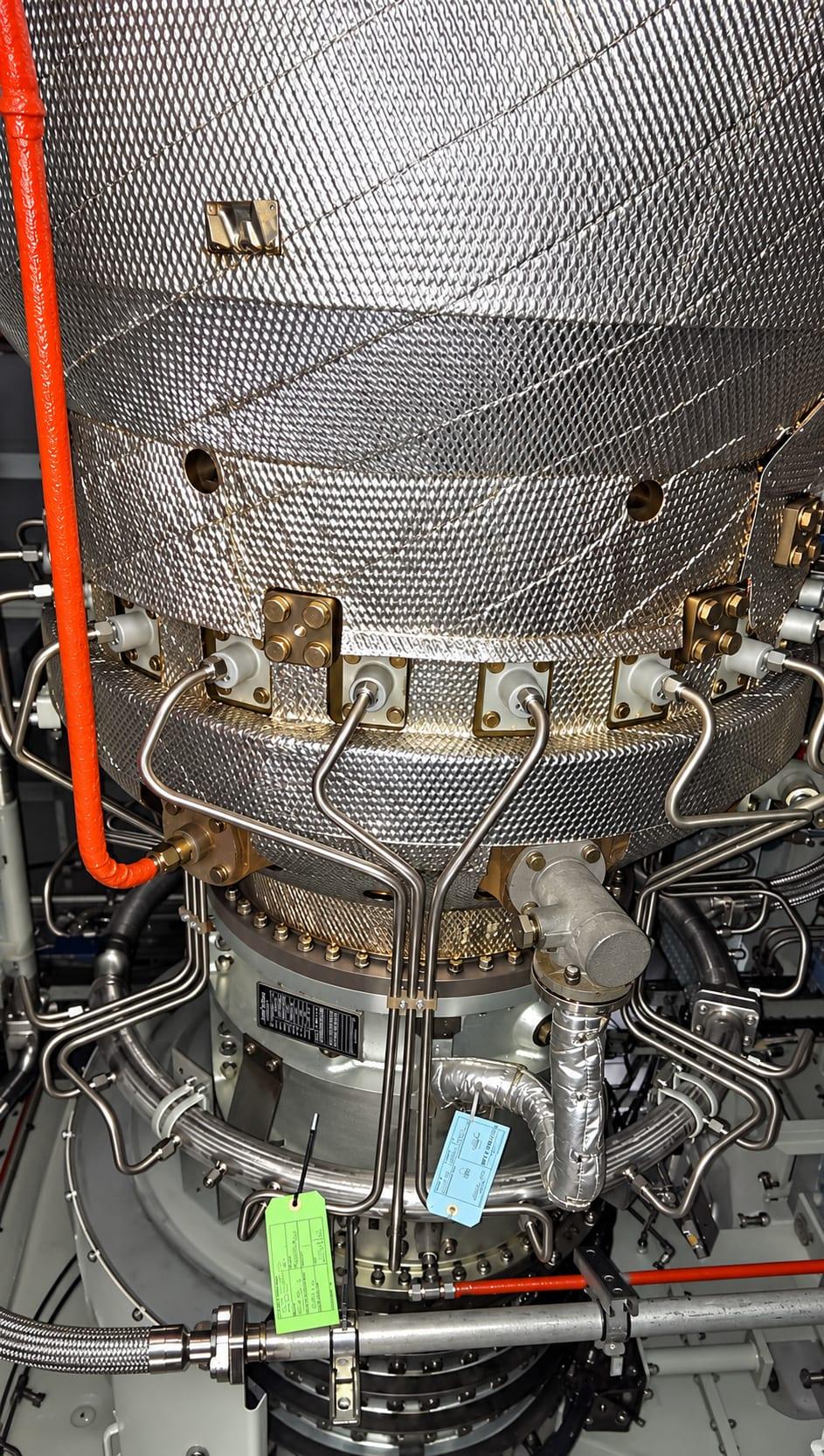
Audit physical wear, component support status, spare parts availability and historical trip logs.
Stage 02
Risk quantification
Identify single points of failure in power feeds, communication backbones and PLC processors.
Stage 03
Lifecycle options analysis
Develop risk-ranked replacement options, evaluating cost, shutdown requirements and extended support.
Stage 04
Execution roadmap
Deliver phased upgrade schedules aligned with statutory turnarounds and capital budget cycles.
Standards and methods
- ISO 55000 (Asset Management)
- MIL-STD-1629A / IEC 60812 (FMEA/FMECA)
- RAMS Engineering Principles